This technology introduces a novel method for detecting and assessing intestinal inflammation by measuring mitochondrial DNA levels in stool samples.
Intestinal inflammation is a critical indicator of various gastrointestinal disorders such as Inflammatory Bowel Disease (IBD), Environmental Enteropathic Dysfunction (EED), and Necrotizing Enterocolitis (NEC). Current diagnostic biomarkers, like fecal calprotectin, have limitations in sensitivity and reliability, especially in pediatric populations and certain disease conditions. These limitations create challenges in accurately diagnosing inflammation, assessing its severity, and monitoring treatment response, which can impact patient outcomes. This technology emerged from the need for a more precise, non-invasive biomarker that can overcome these challenges.
The invention employs the measurement of mitochondrial DNA (mtDNA) present in fecal matter as a novel biomarker to detect intestinal inflammation. By analyzing stool samples for mtDNA concentrations, clinicians can identify the presence and severity of inflammation within the intestines. This approach leverages the fact that cell damage and turnover in inflamed intestinal tissue release mitochondrial DNA into the stool, providing a direct and sensitive signal of intestinal injury. This method is distinctive because it offers improved sensitivity over existing biomarkers and can effectively differentiate between active disease states and histologic remission, enhancing diagnostic accuracy. Additionally, the technology enables risk assessment, guides treatment decisions, and allows for monitoring the effectiveness of therapeutic interventions over time. Developed with support from leading research institutions and validated through pilot studies, this method demonstrates a promising advancement in managing gastrointestinal diseases with a practical, non-invasive testing procedure.
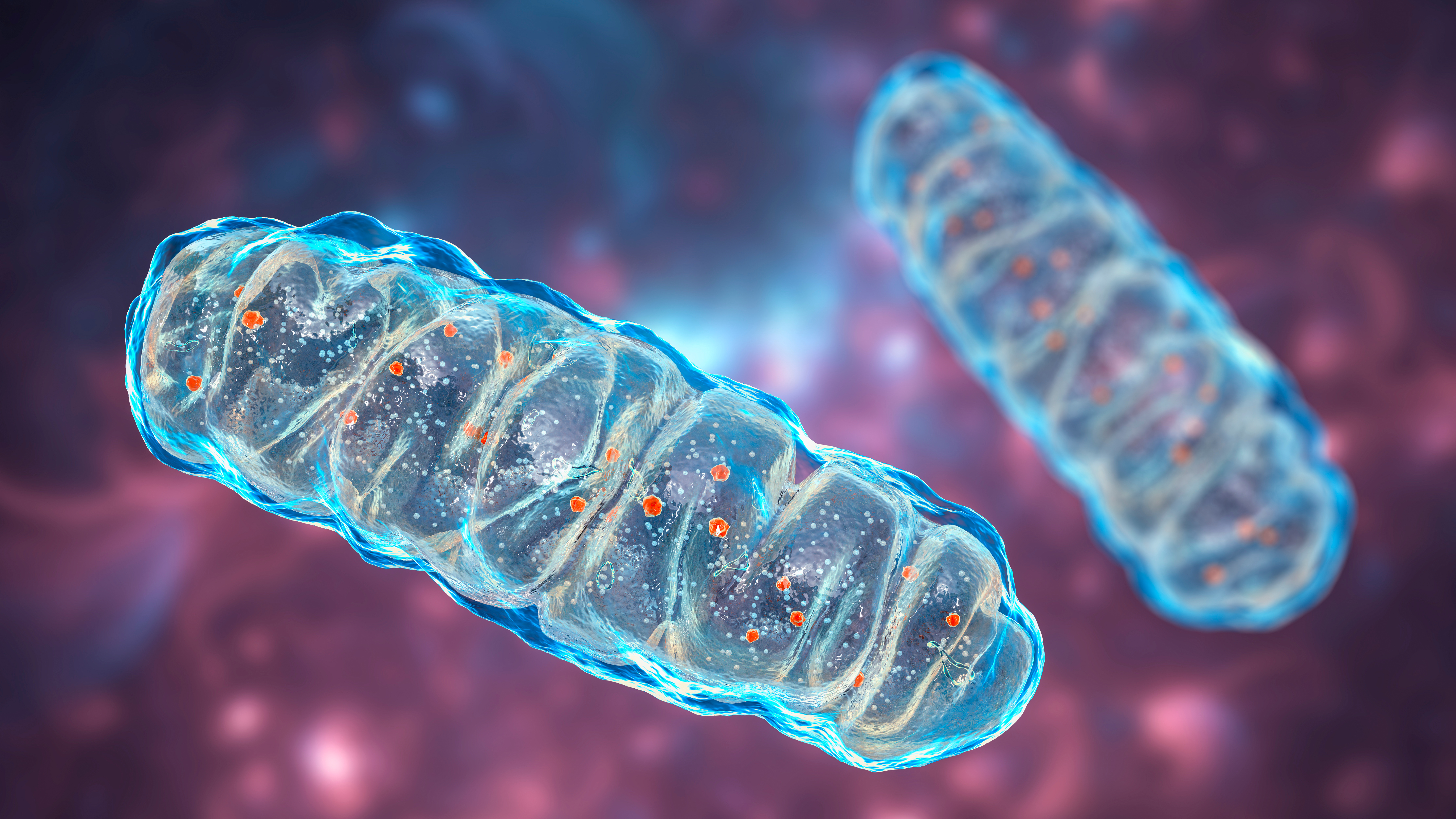 Photo for reference only, not a depiction of the invention.
• Higher sensitivity and specificity in detecting intestinal inflammation compared to current biomarkers.
• Ability to distinguish between active disease and remission, facilitating more precise disease monitoring.
• Non-invasive and convenient stool-based assay, suitable for repeated testing and pediatric use.
• Supports risk assessment and personalized treatment planning for better patient management.
• Demonstrated effectiveness in pilot studies, with ongoing validation enhancing clinical confidence.
• Diagnosis and monitoring of Inflammatory Bowel Disease (IBD) in adults and children.
• Assessment of Environmental Enteropathic Dysfunction (EED) in vulnerable populations.
• Early detection and risk evaluation of Necrotizing Enterocolitis (NEC) in neonates.
• Guidance and evaluation of treatment effectiveness in gastrointestinal inflammatory conditions.
• Potential integration into clinical workflows as a routine, non-invasive test for intestinal health monitoring.
Know-how based
TRL 3 – Experimental Proof of Concept
This technology is available for licensing.