Novel Small Molecule Anabolic Agents for Osteoporosis
Menopause significantly speeds bone loss and increases the risk of osteoporosis, a condition characterized by decreased bone mineral density and which impacts more than 200M people worldwide and contributing to over 2M fractures annually in the US alone. While several therapies exist, the current treatment landscape is defined by significant limitations: antiresorptive agents slow bone loss but do not rebuild it, and available anabolic options — largely injectable biologics — carry black box warnings, strict duration limits, and compliance challenges that undermine long-term patient outcomes.
The opportunity for a safe, orally bioavailable small molecule that both protects and rebuilds bone represents one of the most compelling unmet needs in musculoskeletal medicine today.
Researchers at the University at Buffalo have developed a novel series of synthetic analogs derived from ferutinin, a naturally occurring phytoestrogen with demonstrated anti-osteoporotic activity comparable to estradiol benzoate. Ferutinin's biological profile is well-characterized — it limits bone resorption by inhibiting osteoclast differentiation while simultaneously promoting osteoblast activity, giving it a dual mechanism that natural and most synthetic competitors lack. However, natural ferutinin extracts are limited by variable efficacy and off-target effects, creating an opening for precision-engineered analogs.
This invention advances two lead compositions within a rationally designed series, specifically engineered to:
- Retain and optimize the favorable estrogen receptor binding and bone-protective activity of the parent compound
- Minimize off-target effects through improved specificity relative to unrefined natural phytoestrogen extracts
- Incorporate antioxidant properties alongside antiresorptive and anabolic activity, offering a multifunctional therapeutic profile
- Support potential oral administration, eliminating the injection barrier that limits compliance with current anabolic therapies
Unlike existing treatments that provide only temporary efficacy windows or carry significant safety burdens, these analogs are designed with a profile that could support longer treatment durations and a more favorable risk-benefit balance.
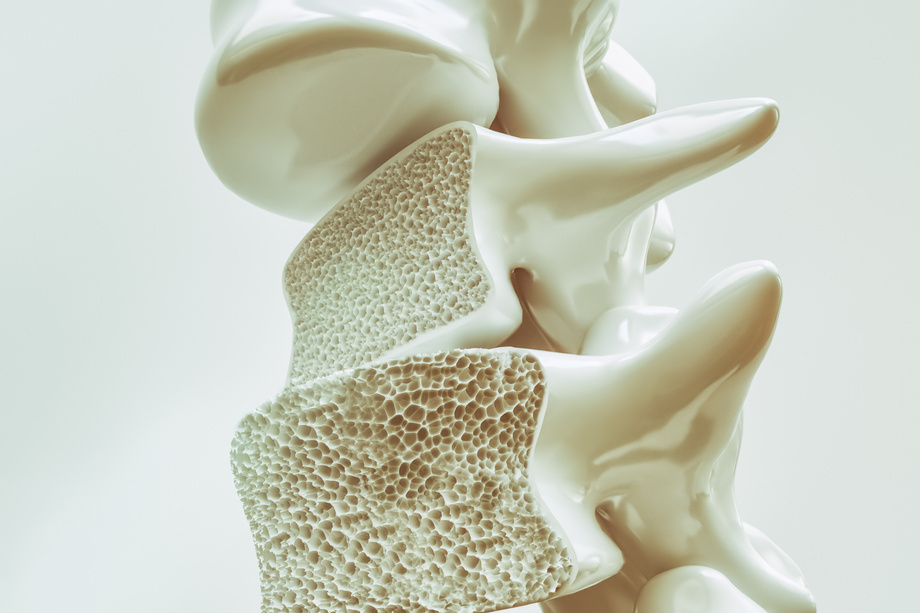 crevis, https://stock.adobe.com/uk/200913112, stock.adobe.com
- Regenerative/anabolic, not just antiresorptive
- Fewer potential side effects compared to standard antiresorptive treatments
- Improved safety and specificity compared to natural phytoestrogen extracts
- Potential for oral administration
- Osteoporosis
- Hormone replacement therapy
Patent pending.
In vitro
Available for licensing or collaboration
No publications to date
Patent Information:
| App Type |
Country |
Serial No. |
Patent No. |
Patent Status |
File Date |
Issued Date |
Expire Date |
|