Luminex-based immunoassay for prediction of non-HLA determinants of kidney transplant graft rejection
End-stage kidney disease, also known as end-stage renal disease or kidney failure, affects over 800,000 people in the US. It is rapidly fatal without treatment, but can be treated palliatively with dialysis or curatively by kidney transplant. ~90,000 patients are approved and waitlisted for kidney transplant, but only ~25,000 kidney transplants are performed each year1. One reason for this disparity is the need for a perfect or near-perfect match between donor and recipient Human Leukocyte Antigens (HLAs) to prevent rejection of the donor tissue via HLA-mediated rejection, mediated either by T-cell receptors or by antibody mediated detection of ‘non-self’ HLA markers in the donor kidney by so-called donor-specific antibodies (DSAs). Transplant rejection represents a catastrophe for affected patients, a loss of potentially life-saving treatment for other patients awaiting transplant, and a significant financial cost to the healthcare system – kidney transplants cost between $400,000 – $450,000 per treatment overall.
Despite stringent matching by HLA tissue type before transplant, approximately 1 in 4 kidney transplants still result in rejection. This implies a rejection mechanism exists that does not rely on ‘non-self’ HLA antigen detection. One such mechanism has been identified that appears to rely instead on host antibodies that directly target a range of non-HLA, non-self protein markers in the donor tissue. Research has identified numerous potential markers that correlate with this Non-HLA antibody mediated rejection (AMR) mechanism for a range of transplanted organs. However, a comprehensive, specific and reliable clinical test for Non-HLA mediated AMR in kidney transplant does not exist.
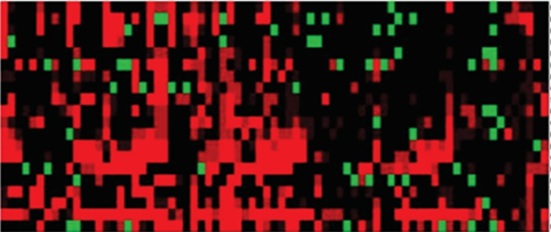
Through comprehensive screening of 21,000 protein targets in kidney transplant volunteers and controls, University at Buffalo researchers identified 82 biomarkers associated with non-HLA AMR of donor kidneys, and 11 that display a dramatic concentration changes in the samples of patients experiencing rejection. These were used to develop an 11-marker Luminex assay. It is anticipated that this will lead to the development of a sensitive and specific clinical test for non-HLA AMR with potential to save US transplant centers a minimum of $500m annually.
 ©2025, Research Foundation for the State University of New York
• Comprehensive - generated from a comprehensive proteomic screen
• Unique – includes numerous autoantibodies not previously associated with of donor kidney rejection, and several not previously associated with any form of organ rejection.
• Specific – biomarkers selected with reference to HLA-associated DSA, multiple specific autoimmune diseases and non-reactive negative control groups.
Diagnosis and prediction of kidney transplant rejection.
Provisional patent application filed
• TRL 2
• https://en.wikipedia.org/wiki/Technology_readiness_level
Available for licensing or collaboration
1. United States Renal Data System. 2023 USRDS Annual Data Report: Epidemiology of Kidney Disease in the United States. US Department of Health and Human Services; 2023. https://usrds-adr.niddk.nih.gov/2023