System and Method for Embedded Diffuse Correlation Spectroscopy
Accurate measurement of blood perfusion in deep tissues is vital for numerous medical applications, with optical techniques like diffuse correlation spectroscopy (DCS) providing a non-invasive means. However, a major impediment to the widespread clinical deployment of such techniques lies in the substantial computational load required for data analysis. Specifically, the process of parameterizing the light intensity autocorrelation function involves complex non-linear curve fitting to a solution of the diffusion equation, which is computationally intensive. This significant bottleneck prevents the achievement of real-time results, a critical requirement for clinical diagnostics and monitoring. Consequently, existing processing approaches often lead to larger, more complex instrumentation, hindering the development of portable, user-friendly devices essential for mobile applications and broader clinical accessibility.
Researchers at Stony Brook University developed an embedded Diffuse Correlation Spectroscopy (DCS) device that mitigates the computational burden of DCS measurements by employing dedicated hardware modules. The novel design allows the autocorrelation of light intensity to be generated in real time, and simultaneously, an analyzer module executes the DCS curve fitting algorithm on a digital logic circuit. These modules are implemented on Field Programmable Gate Array (FPGA) chips, with potential for Application Specific Integrated Circuit (ASIC) implementation, providing a hardware-based solution that is more efficient than typical software approaches for real-time correlation and analysis, and can be duplicated for multi-channel data processing.
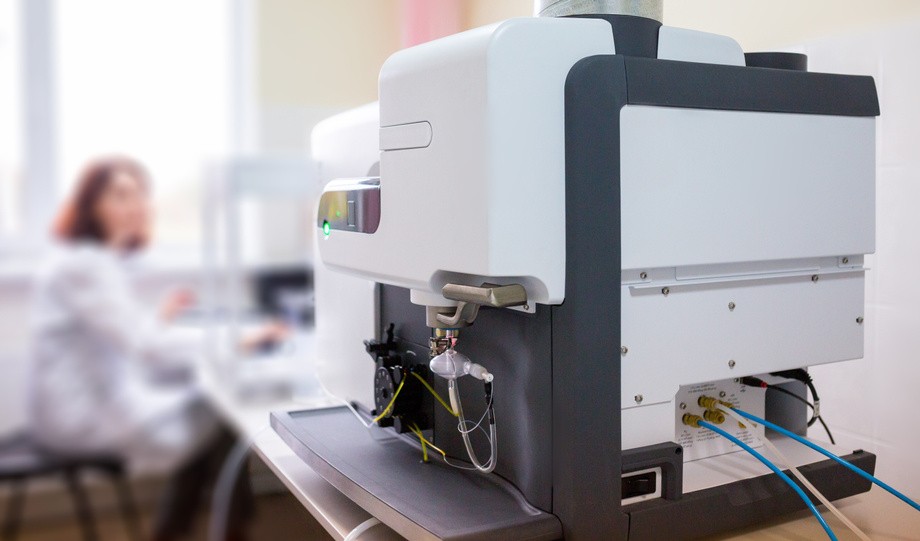
Sodel Vladyslav, https://stock.adobe.com/uk/287941001, stock.adobe.com
- Real-time processing capability
- Reduced device size and complexity
- Enhanced measurement speed
- Scalability for multi-channel data
- Lower power consumption
- Clinical Medical Diagnostics and Monitoring
- Biomedical Research and Drug Development
- Veterinary Diagnostics and Monitoring
US Utility 18/022,793
In Vivo Data available
Available
Development partner - Commercial partner - Licensing
Patent Information:
| App Type |
Country |
Serial No. |
Patent No. |
Patent Status |
File Date |
Issued Date |
Expire Date |
|