A Low Fouling Superhydrophilic Hybrid Membrane from Lignocellulose for Wastewater Treatment
Effective wastewater treatment, particularly through ultrafiltration, faces significant challenges due to the limitations of current commercial membrane technologies. Existing ultrafiltration membranes are predominantly fabricated from synthetic, petroleum-derived polymers such as polyvinylidene fluoride (PVDF), polyacrylonitrile (PAN), polysulfone (PS), and polyethersulfone (PES). A primary concern with these materials is their non-biodegradable nature, contributing to environmental pollution and resource depletion. Furthermore, these conventional polymeric membranes are highly susceptible to fouling, a phenomenon where contaminants accumulate on the membrane surface, leading to reduced permeate flux and separation efficiency, necessitating frequent cleaning or replacement. This susceptibility to fouling, coupled with their fossil-based origin and often complex manufacturing processes, drives a critical need for more sustainable, cost-effective, and high-performing alternatives that can resist fouling and are derived from environmentally benign sources.
Researchers at Stony Brook University developed a low-fouling, superhydrophilic hybrid ultrafiltration membrane developed from renewable lignocellulosic sources. It incorporates less than 1% non-spherical silica and a wet-strength aid, which maintains the membrane's wet strength and aids in silica retention and cross-linking. This membrane features high porosity and superhydrophilic characteristics, contributing to its low-fouling properties. It achieves comparable performance to commercial fossil-based membranes, demonstrating permeate flux over 55 Lm-2h-1 and separation efficiency over 99% in ultrafiltration tests.
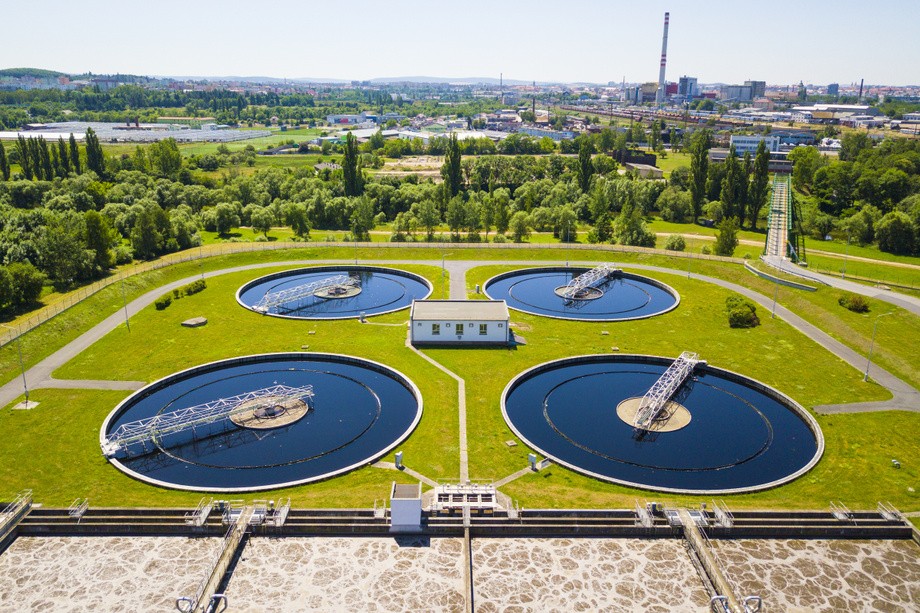
peteri, https://stock.adobe.com/uk/278362420, stock.adobe.com
- Enhanced hydrophilicity leading to reduced fouling
- Comparable or superior permeate flux and separation efficiency
- Biodegradability and sustainability
- Cost-effectiveness
- Simplified fabrication process
- Industrial and Municipal Wastewater Treatment
- Potable and Process Water Purification
- Food and Beverage Processing
- Biopharmaceutical and Chemical Separations
- Medical Applications
PCT Application Filed (PCT/US2025/012654)
Prototype Available
Available
Development partner - Commercial partner - Licensing
Patent Information:
| App Type |
Country |
Serial No. |
Patent No. |
Patent Status |
File Date |
Issued Date |
Expire Date |
|