Sterylglucosidase Inhibitors as Antifungal Agents
Invasive fungal infections, such as life-threatening meningoencephalitis caused by Cryptococcus neoformans and severe pulmonary aspergillosis from Aspergillus fumigatus, pose a significant and growing global health threat, particularly to immunocompromised individuals, leading to high morbidity and mortality. Existing antifungals are often toxic, demonstrate narrow spectrums of activity, limited clinical efficacy and are increasingly rendered ineffective due to the rapid emergence of drug-resistant strains, underscoring a desperate need for novel therapeutic agents with new mechanisms of action. A fundamental challenge in developing more effective treatments arises from the physiological similarities between fungal pathogens and human host cells, which complicates the design of antifungals.
Researchers at Stony Brook University developed novel antifungal compounds that function as substrate-mimicking inhibitors of sterylglucosidase 1 (Sgl1) in Cryptococcus neoformans and its homolog SglA in Aspergillus fumigatus. These enzymes are critical for fungal pathogenicity and are exclusively found in fungi, not in human cells. By inhibiting Sgl1/SglA, these compounds induce the accumulation of steryl glucosides (SGs) within fungal cells, a condition that renders the fungi non-pathogenic and non-viable.
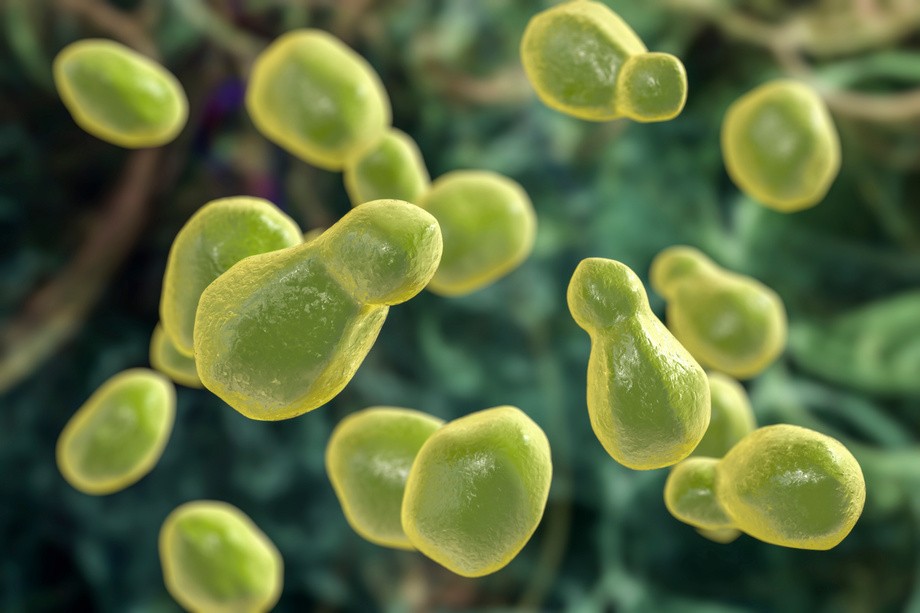
Dr_Microbe, https://stock.adobe.com/uk/images/436986064, stock.adobe.com
- Target specificity
- Broad-spectrum activity
- Reduced resistance development
- Synergistic potential
- Improved safety profile
- Potential for combination therapy
- Vaccine development potential
- Pharmaceutical Antifungal Therapeutics
- Prophylactic and Immunomodulatory Treatments for Fungal Infections
- Veterinary Antifungal Medications
Utility Application Filed
In Vivo and In Vitro Data Available
Available
Development partner - Commercial partner - Licensing
Patent Information:
| App Type |
Country |
Serial No. |
Patent No. |
Patent Status |
File Date |
Issued Date |
Expire Date |
|